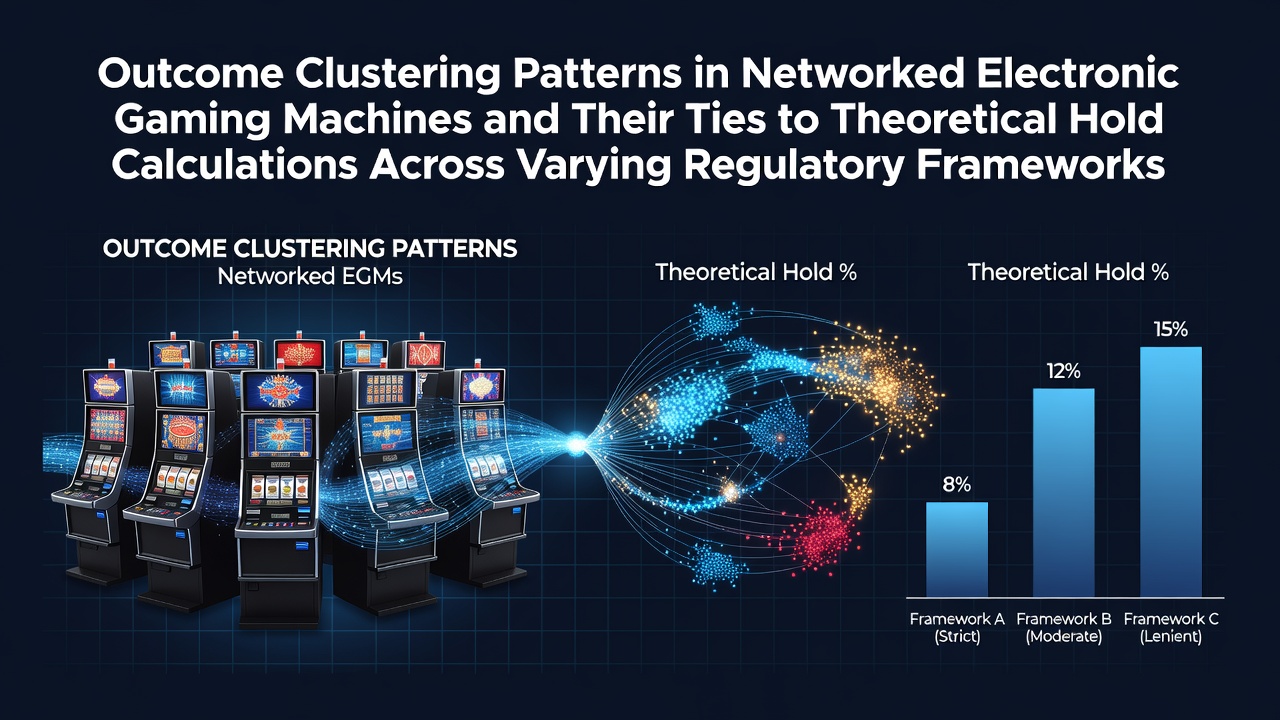
Outcome Patterns in Linked Gaming Machines and Connections to Theoretical Hold Standards in Multiple Jurisdictions
Networked electronic gaming machines operate through interconnected systems that transmit outcome data to central servers, which creates opportunities to examine clustering patterns where sequences of results appear grouped beyond simple random expectation; researchers track these patterns to assess consistency with theoretical hold calculations that define the long-term percentage retained by operators based on paytable structures and probability distributions.
Defining Outcome Clustering in Connected Systems
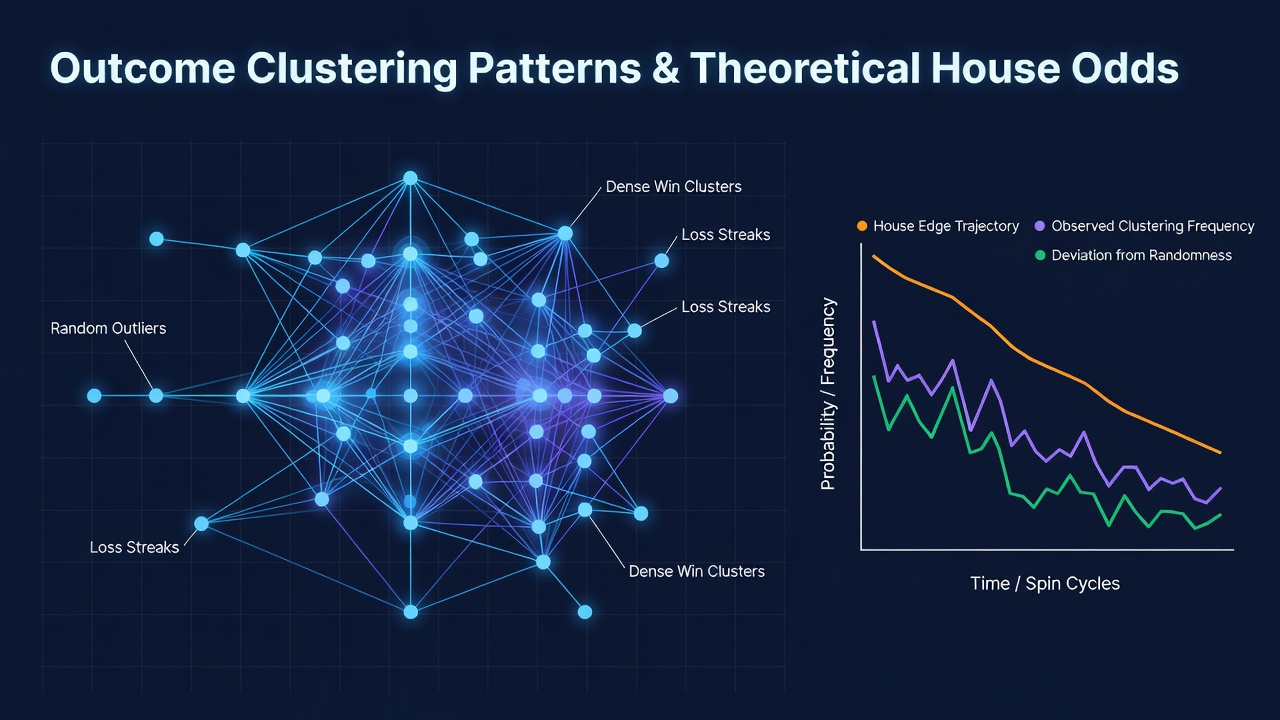
Clustering refers to statistical groupings where certain symbol combinations or payout events occur in tighter sequences than independent trial models predict, and observers note this phenomenon arises in server-linked environments because shared random number generators or central determination algorithms process requests across multiple terminals simultaneously. Data from regulatory testing labs shows that such patterns receive continuous monitoring to verify they align with expected variance ranges rather than indicating mechanical faults or design deviations.
Network Architecture and Data Flows
Modern installations link machines through wide-area networks that feed real-time results into centralized databases, allowing operators to calculate actual hold percentages against theoretical targets on a per-game and per-jurisdiction basis. Those who manage these networks report that clustering metrics help identify when localized RNG implementations diverge from broader system averages, prompting recalibration of probability tables to maintain compliance.
Links to Theoretical Hold Calculations
Theoretical hold derives directly from each game's mathematical model, incorporating reel strip layouts, bonus trigger frequencies, and progressive contributions, while clustering analysis supplies empirical checks that confirm whether observed outcomes stay within confidence intervals established during certification. Figures from independent test houses reveal that deviations in clustering frequency can shift realized hold by fractions of a percent over large sample sizes, which matters when regulators require monthly or quarterly submissions comparing actual performance to approved theoretical values.
Regulatory Approaches Across Regions
Jurisdictions apply distinct rules for validating these calculations and monitoring clustering. In Nevada, the Gaming Control Board mandates that networked systems undergo periodic statistical audits that explicitly test for non-random clustering signatures before approving continued operation. Australia's state-based authorities, such as those in New South Wales, require operators to submit clustering reports alongside hold reconciliation data to ensure central systems preserve fairness across distributed terminals.
Canadian provinces including Ontario impose additional layers through the Alcohol and Gaming Commission, where linked machines must demonstrate that theoretical hold remains stable even when clustering events appear in high-volume periods. European frameworks vary further, with several member states mandating third-party verification of both clustering statistics and hold calculations on an annual cycle to accommodate differing server architectures.
August 2026 updates in select North American markets introduced enhanced data granularity requirements for clustering detection, prompting operators to integrate more sophisticated analytics tools that cross-reference outcome sequences against theoretical models in near real time. Industry organizations such as the American Gaming Association have published guidance documents outlining best practices for aligning these metrics with regulatory expectations across borders.
Technical Monitoring Methods
Engineers employ chi-square tests, runs tests, and autocorrelation measures to quantify clustering intensity, feeding results into dashboards that flag when patterns exceed thresholds tied to approved hold percentages. Research indicates these methods help regulators distinguish between normal variance and anomalies that could affect player return rates over extended play sessions.
Conclusion
Outcome clustering in networked electronic gaming machines connects directly to theoretical hold calculations through continuous data validation required by diverse regulatory bodies worldwide. Observers continue to track how different frameworks adapt monitoring standards as network technologies evolve, ensuring that empirical patterns remain consistent with approved mathematical models.